
PAGASA ISLAND RESEARCH STATION (PIRS)

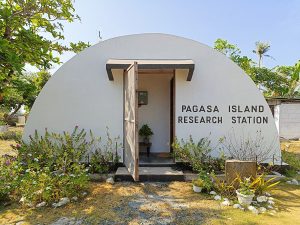
PIRS is a marine station on Pag-asa Island that supports basic lab and field-based studies in marine sciences. There is a need to continue and even expand existing efforts to develop, refurbish and upgrade facilities that will help in understanding the processes in the West Philippine Sea, which would be helpful in framing policy recommendations that may aid in the sustainable utilization and conservation of the Kalayaan Island Group resources in the context of increasing threats of human activities and climate change.
LOCATION

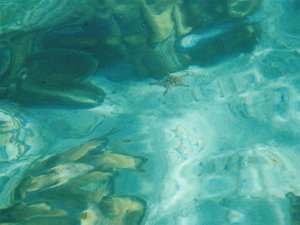
Located in this expanse of the West Philippine Sea is the Kalayaan Island Group (KIG), comprising a group of offshore continental and ocean reefs and islands among the Spratlys Islands. The KIG has an approximate area of 600-1000 km2 that extends from the northwestern flank of Luzon archipelago to the southwest of the island of Palawan.

BIODIVERSITY & ECOSYSTEM HEALTH

These islands and reefs found in the western region are ecologically and economically valuable due to the richness in marine habitats that host a vast diversity of economically important fish and other marine organisms, and they are a source of approximately 20-25% of the country’s annual commercial fisheries.

FACILITIES

Since the Philippine’s occupation of the Pag-Asa Island in the 1970’s, the island remained severely underdeveloped compared to the smaller features in the Spratlys occupied by other claimant countries. Currently, the island has a weather station and naval station built in the 1970’s but has not been refurbished for four decades.

OBJECTIVES

The main objective of this project then is to repair, refurbish and upgrade the existing marine laboratory in Pagasa Island, the westernmost territory of the country. Specifically, we aim to provide facilities for all visiting scientists by having basic equipment for both lab and field works, improve conditions for living that would allow scientists and researchers to stay on the island for longer periods of studies, establish a strong presence of science work in Pagasa and nearby waters of KIG, and help the locals of Pagasa understand their environment through scientific studies.

FACULTY IN-CHARGE