UP MSI awarded 2026 Gawad Tsanselor for Plastics Research Capacity Building Initiatives
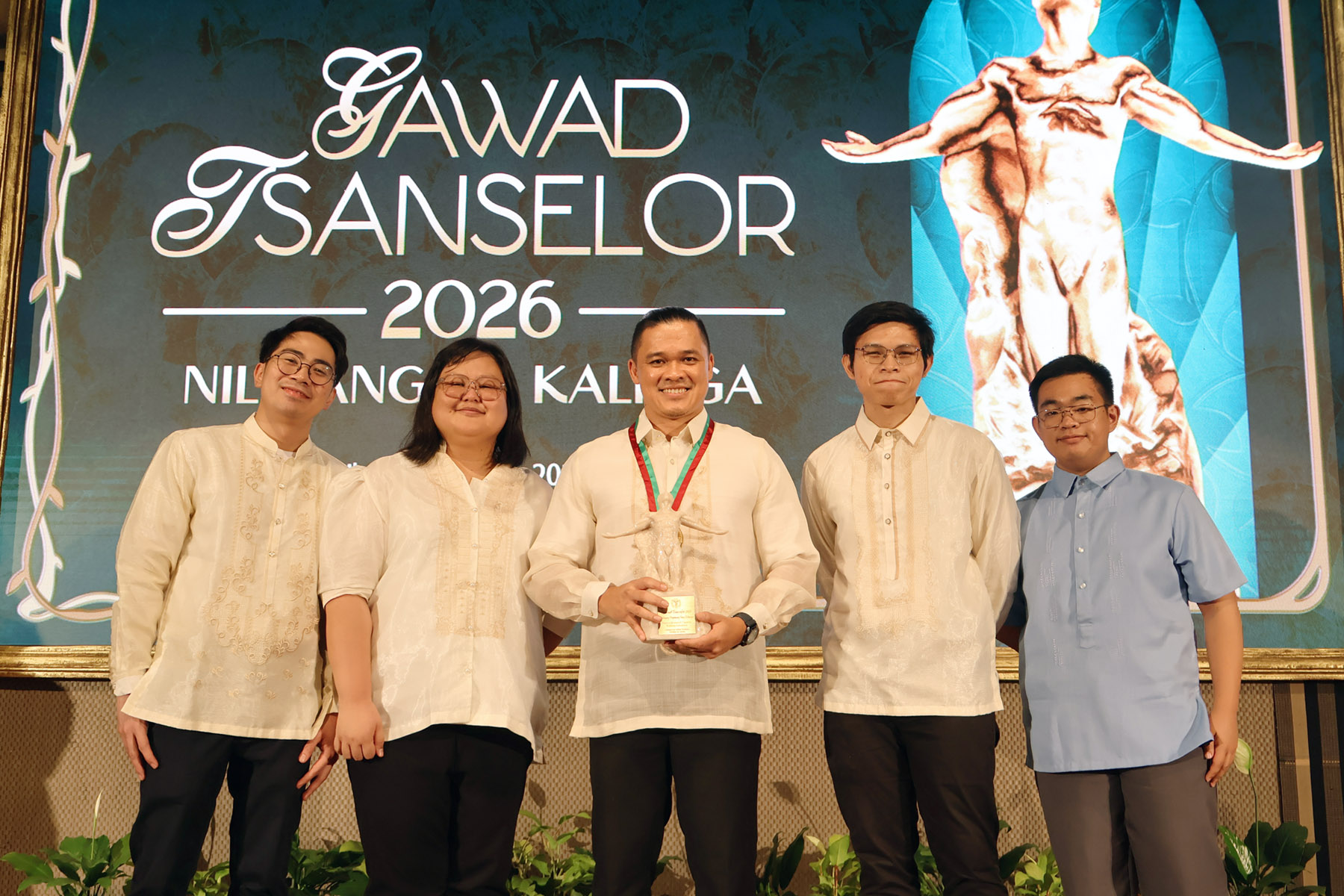
FEATURED PHOTO. The Microbial Oceanography Laboratory with the Gawad Tsanselor sa Natatanging Programang Pang-ekstensiyon. From left to right: Kim John Balboa, Norchel Corcia Gomez, Dr. Deo Florence Onda, John Ivan Cunanan, and Lance Oliver Licnachan.
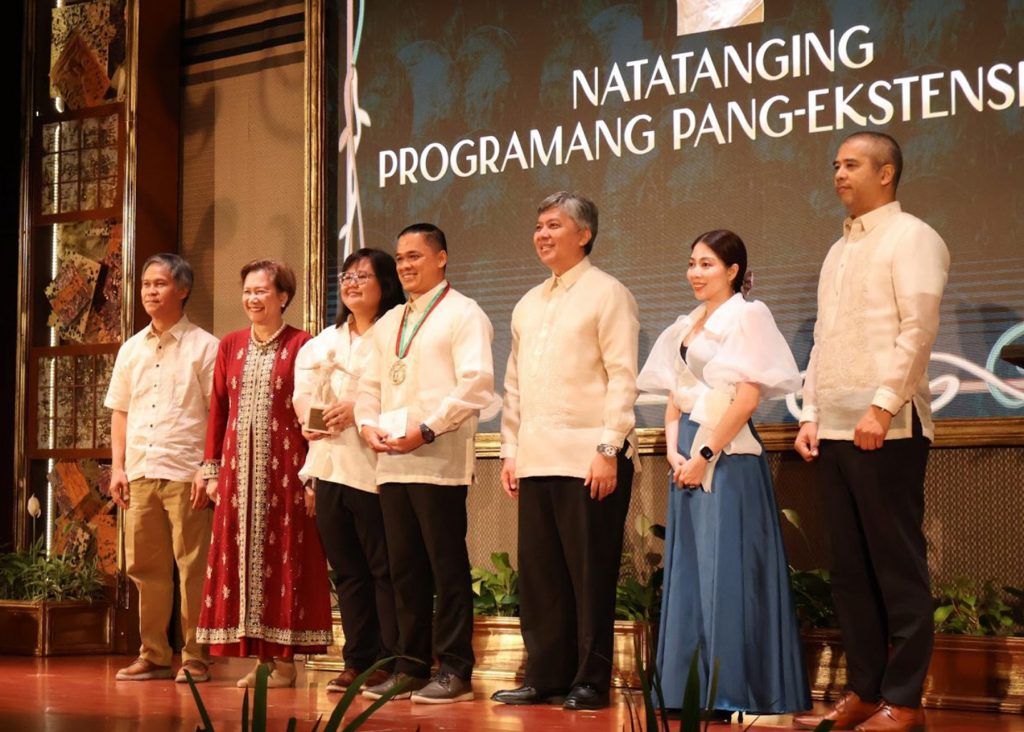
QUEZON CITY, PHILIPPINES — The UP Marine Science was honored with the 2026 Gawad Tsanselor para sa Natatanging Programang Pang-ekstensiyon for the Plastics Research Capacity Building Initiatives of the Microbial Oceanography Laboratory (MOLab). MSI Director Dr. Arturo Lluisma together with College of Science Dean Dr. Cynthia P. Saloma received the award together with MOLab’s Dr. Deo Florence Onda and Norchel Corcia Gomez at “Nilinang sa Kalinga: Linggo ng Parangal” last May 8, 2026.
Since 2019, MOLab has brought scientists, government agencies, students, NGOs, and ordinary citizens together to combat plastic pollution in Philippine waters. Their initiatives have harmonized and standardized methods for marine plastics research across the country, as well as introduced new technologies for continued monitoring and analysis.
Though the Philippines has been consistently named as a top contributor to plastic waste, the lack of expertise has limited national capacity to implement large-scale data-informed solutions. MOLab addressed this by forming a multi-sectoral network of plastics researchers that can tackle the problem at every level, starting with data generation for science-driven mitigation measures with targeted training programs in Luzon, Visayas, and Mindanao. These include the Plastics Research Intensive Methods Training Program (PRIMe-TP), aimed at early career researchers; the PlastiCount Training Program and the Capacity Upskilling for Plastics Research for National Government Agencies (CUPRe-NGA), aimed at government personnel from relevant agencies such as the Department of Environment and Natural Resources, Department of Science and Technology, and the Philippine Coast Guard; and the Plastics Research Methods Internship and Educational Research Stay (PReMIERS) Program, aimed at graduate students, and the PlastiZen Training for citizen scientists.
In total, the programs have trained over 150 researchers and engaged more than 300 non-scientists, and are further supported by national conferences and community outreaches that serve to educate the general public on marine plastic pollution.
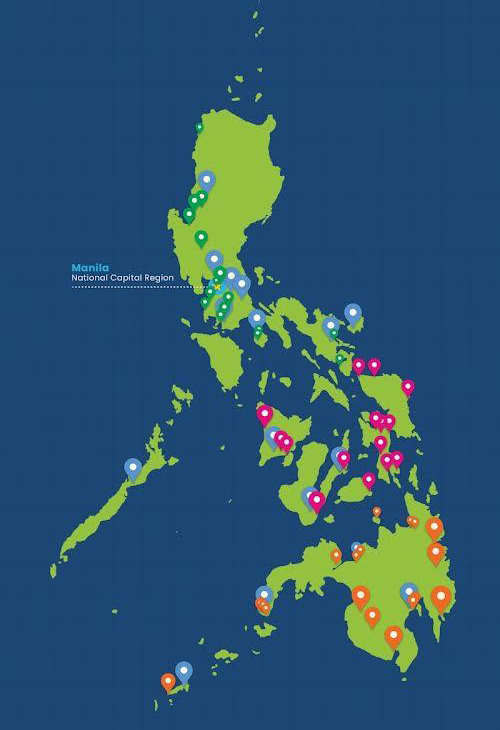
These capacity building efforts extend to the establishment of the Microplastics Research and Training Facility, a service laboratory for microplastic researchers and students that is supported by the International Atomic Energy Agency, Holcim, and the Department of Science and Technology. Earlier this January, MOLab also launched PlastiZen, a citizen science project where plastic pollution can be reported through an app.
MOLab’s inclusive approach to capacity building is in response to the gaps discussed in the National Plan of Action for the Prevention, Reduction and Management of Marine Litter or NPOA-ML. By engaging with multiple sectors, MOLab is working towards a national solution for a nationwide problem anchored on science and ground-truthed data.
The UP Marine Science Institute remains committed to excellence in public service. This award marks the fourth time that the institute was recognized for extension work, having been previously awarded the Gawad Tsanselor for the establishment of the Bolinao Marine Laboratory, capacity building efforts for the Philippine Coast Guard, and the establishment of the National Academic Research Fleet.