
The importance of seaweeds in Pag-asa Island and its environs
by Dr. Wilfred John E. Santiañez
Seaweeds are ecologically and economically important marine resources that have helped shape the culture and traditions of many coastal communities across the world. In the Philippines, seaweeds and their derivatives have been part of the lives of Filipinos by supporting livelihood, providing nutrition, promoting healing, and nourishing crops and livestock, among others. Our abilities to sustainably use seaweeds, especially as a source of food and nutrition, have been enhanced by the wide array of seaweeds that thrive in our equally diverse environments within the Philippine archipelago. Indeed, the Philippines has among the most diverse seaweed resources in the tropical western Pacific Ocean, although much of the ~900 seaweed species in the Philippines remains underutilized and underdeveloped. Despite the significant economic role and the intangible benefits we derive from these diverse resources, limited efforts have been made to conserve and manage seaweeds as a marine resource.
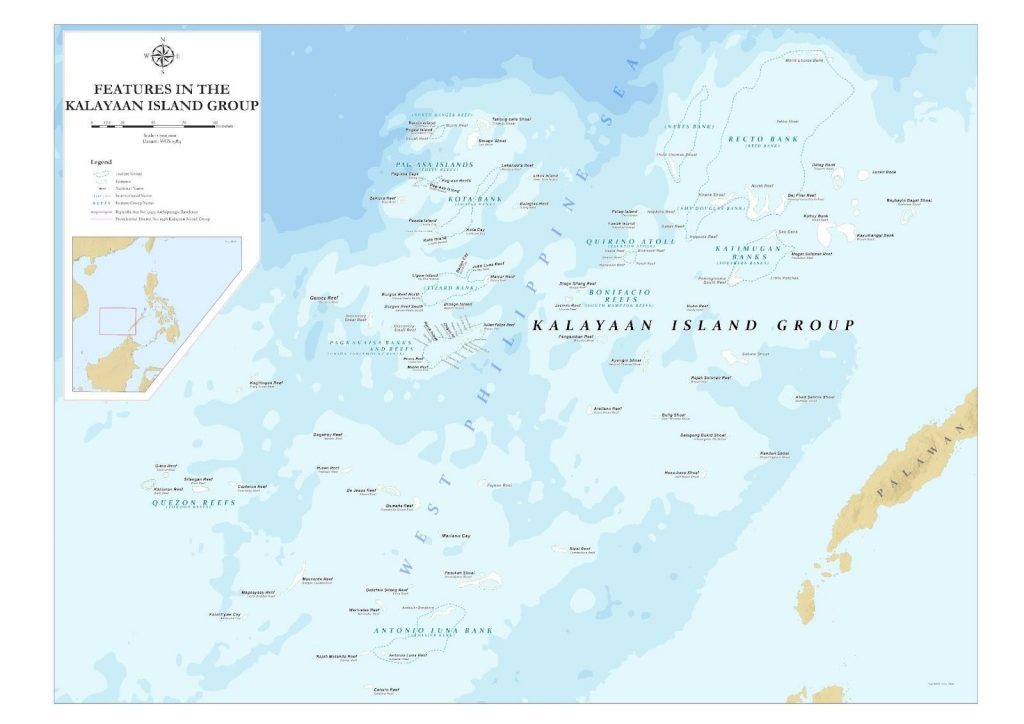
Our understanding of the seaweed resources of the Philippines are limited to areas that are easily accessible for researchers and institutions interested in the marine sciences, as well as by the facilities and infrastructures that allow for thorough inventory and exhaustive assessment of their biological and chemical resources to support nation-building efforts. That is, only shallow coastal areas are studied, while the deep waters and offshore ecosystems within the Philippine archipelago and its exclusive economic zone remain understudied. Of these, the Pag-asa island in the Kalayaan Island Group (KIG) and its environs [figure: map] are among the most important considering the ecological services they provide, especially to sustain fisheries in the region.
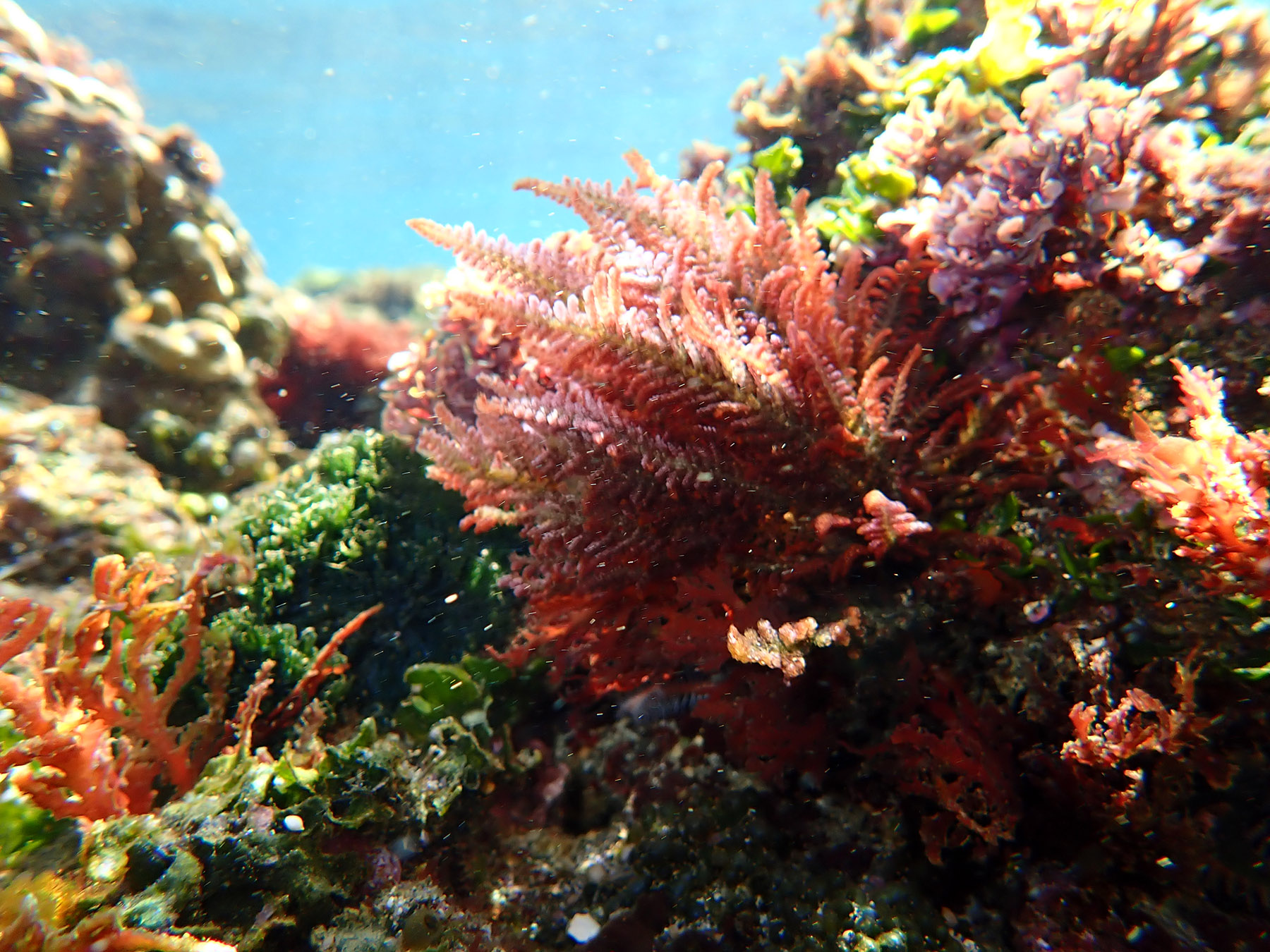
The seaweed resources of Pag-asa Island and its environs has long been considered as less diverse relative to other regions in the Philippine archipelago, owing to being more exposed to rough seas and typhoons. Our recent and more intensive work in Pag-asa Island and other coral reef ecosystems within the KIG, however, challenges that assumption. While previous observations were correct in noting that most of the seaweeds in the region are crustose coralline red algae, we have observed that the area harbors a diverse assemblage of seaweeds. Our studies also indicate that even with repeated efforts, we are yet to reach a plateau in the number of seaweed species observed in the area.
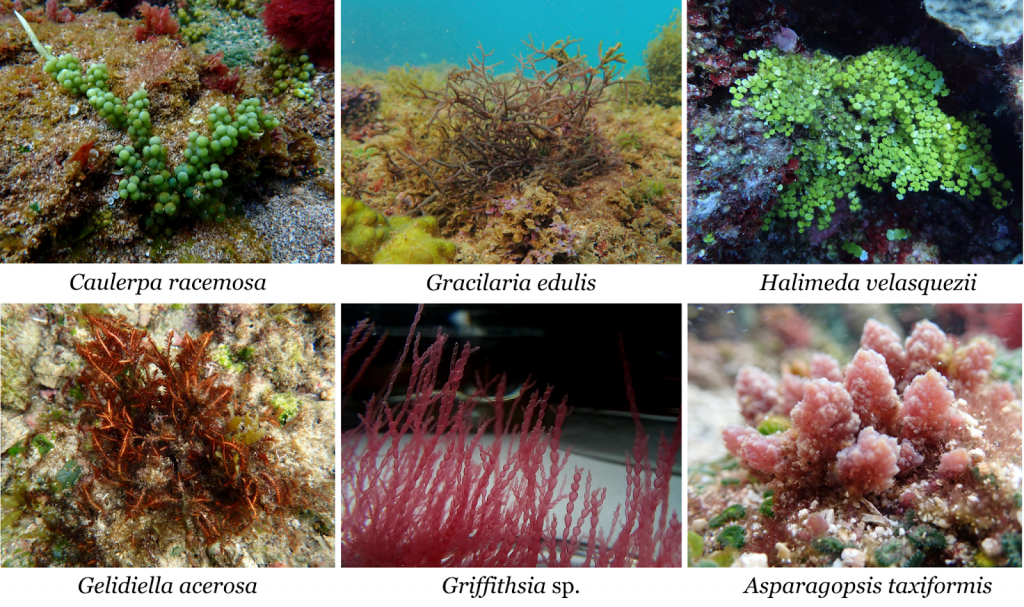
Aside from food species like Caulerpa, and the sand-forming species Halimeda, our initial studies have shown that KIG hosts species possessing high-value natural products. Among these are Gracilaria and Gelidiella species, which are known to produce commercially important agar; Griffithsia species, which are known for producing griffithsin, a potent anti-HIV compound; and, Asparagopsis taxiformis that produces bioactive compounds that reduce the methane –a potent greenhouse gas–belched by cows, eventually helping mitigate greenhouse gas emissions, among others. Additionally, Pag-asa Island and its environs are also known to host seaweeds that have never been described before, including several species of red seaweeds.
Considering the wealth of seaweed biodiversity in the region, and especially the untapped potential of these underutilized and underdeveloped marine resources, it is imperative that more efforts be made on the conservation and management of offshore reef ecosystems. Investing in these efforts are crucial as destruction of these vulnerable ecosystems will not only impact the present generation, but also the generations to come.
Dr. Wilfred John E. Santiañez is an Associate Professor and Curator of the Gregorio T. Velasquez Herbarium (MSI) at the Marine Science Institute of the University of the Philippines Diliman. He and his team at the Marine Phycology Laboratory actively work on the biodiversity, ecology, and mariculture of seaweeds across the Philippine archipelago to sustainably utilize marine (seaweed) resources in support of the Philippine blue economy.