UP MSI and Partners Gather Government, Academe, Maritime Law Experts to Advance Science Diplomacy in Sulu-Sulawesi-Timor Region
By: Sofia Guanzon, Microbial Oceanography Laboratory, UP MSI
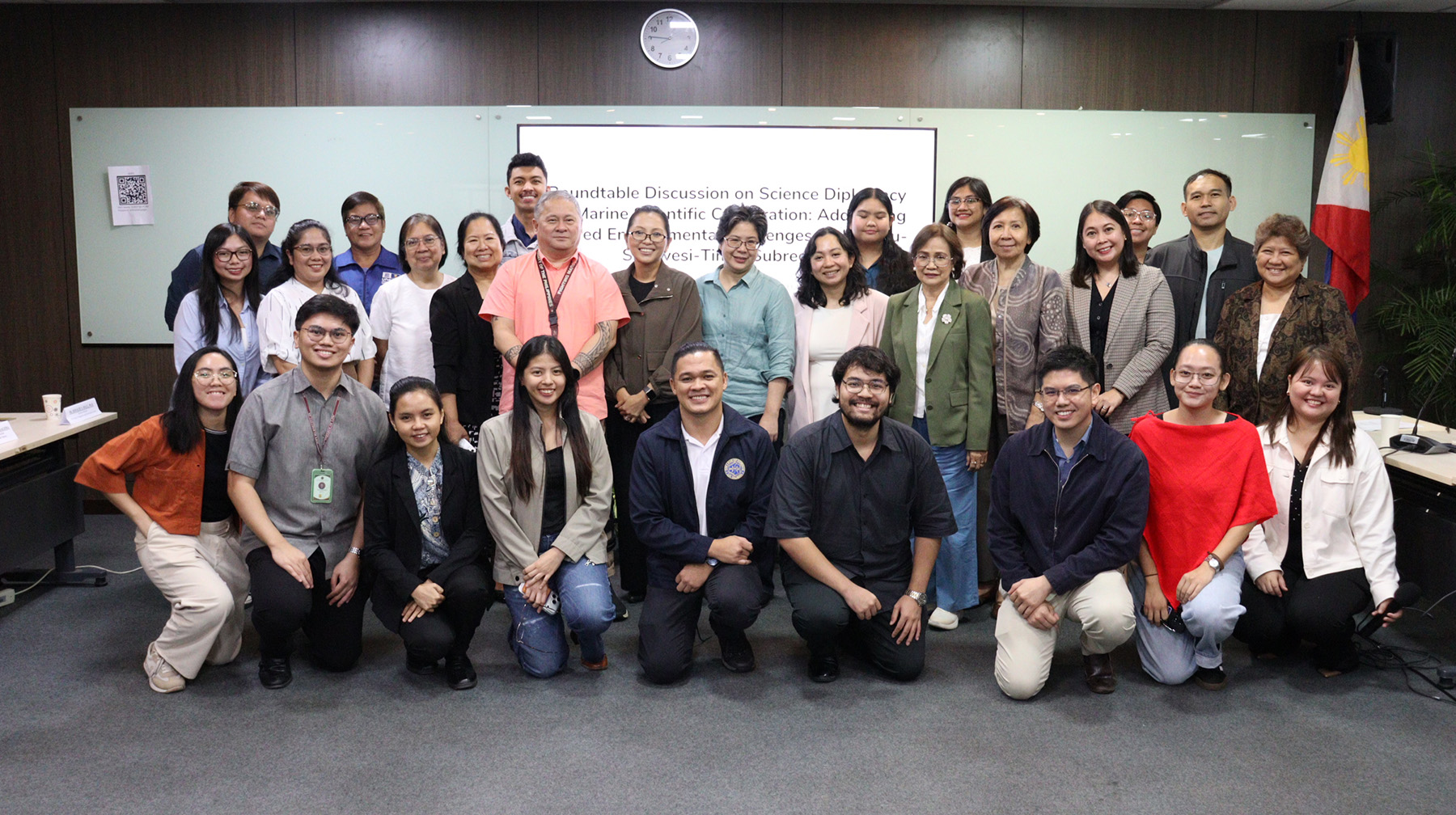
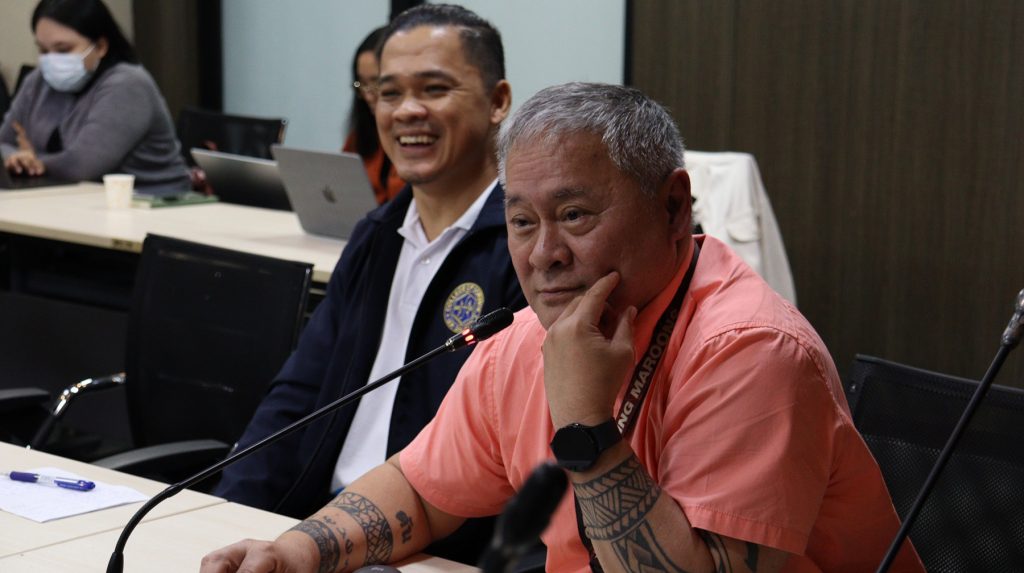
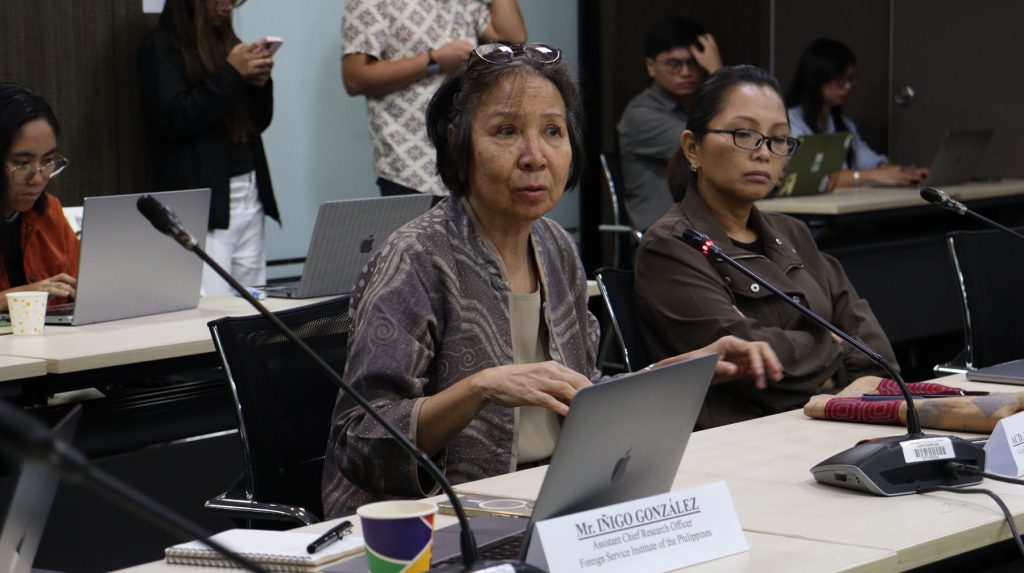
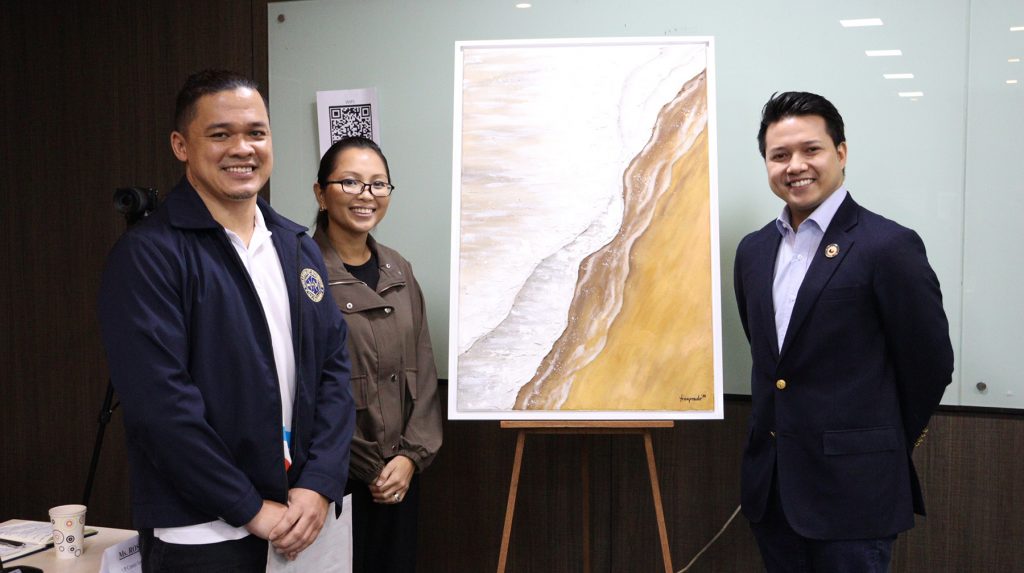
QUEZON CITY, Philippines – On Friday, August 14, maritime law experts, government officials, development cooperation workers, marine science practitioners, and members of the academe gathered for a roundtable discussion organized by the University of the Philippines Marine Science Institute (UP MSI) and hosted by the Institute on Maritime Law of the Sea of the UP College of Law (UP IMLOS). The discussion, held at Bocobo Hall, UP Diliman College of Law, focused on Science Diplomacy for Marine Scientific Cooperation: Addressing Shared Environmental Challenges in the Sulu-Sulawesi-Timor (SST) Subregion.
The roundtable sought to examine ongoing marine scientific research initiatives in the region, assess challenges hindering cooperation among maritime nations, and explore new pathways for international scientific cooperation. Bringing together diverse resource speakers from the marine and social sciences, the event facilitated a broader conversation on cooperation among the private sector, academe, and government, as well as opportunities for advancing science diplomacy in the SST Subregion.
Ranked among the world’s most diverse and productive marine ecosystems, the SST region lies within the Coral Triangle, the global center of marine biodiversity, and is recognized as a shared priority seascape spanning the Philippines, Indonesia, Malaysia, and Timor-Leste. Covering more than one million square kilometers, it supports the livelihoods of approximately 35 million people. While these countries maintain limited partnerships and benefits of the region are shared across borders, scientific cooperation remains fragmented.
This roundtable discussion is part of an upcoming project led by the UP MSI and the Marine Environment and Resources Foundation (MERF), Inc., with support from the Australian Embassy in the Philippines and in partnership with the UP Institute for Maritime Affairs and Law of the Sea (UP IMLOS), the UP Los Baños School of Environmental Science and Management Science Diplomacy Program (UPLB SESAM), and the Foreign Service Institute (FSI) Philippines, titled Science for Diplomacy in the Maritime Space: Strengthening Scientific Cooperation in Addressing Global and Transboundary Environmental Issues in the Sulu-Sulawesi-Timor Maritime Region. The project is the first transnational marine scientific cooperation and confidence-building initiative of its kind in the region.
Science for diplomacy, according to the United Nations Educational, Scientific and Cultural Organization (UNESCO), refers to the “use of scientific knowledge and collaboration to strengthen international relations and tackle global challenges.” It provides an avenue for establishing international scientific research infrastructure, technical assistance, and information exchange.
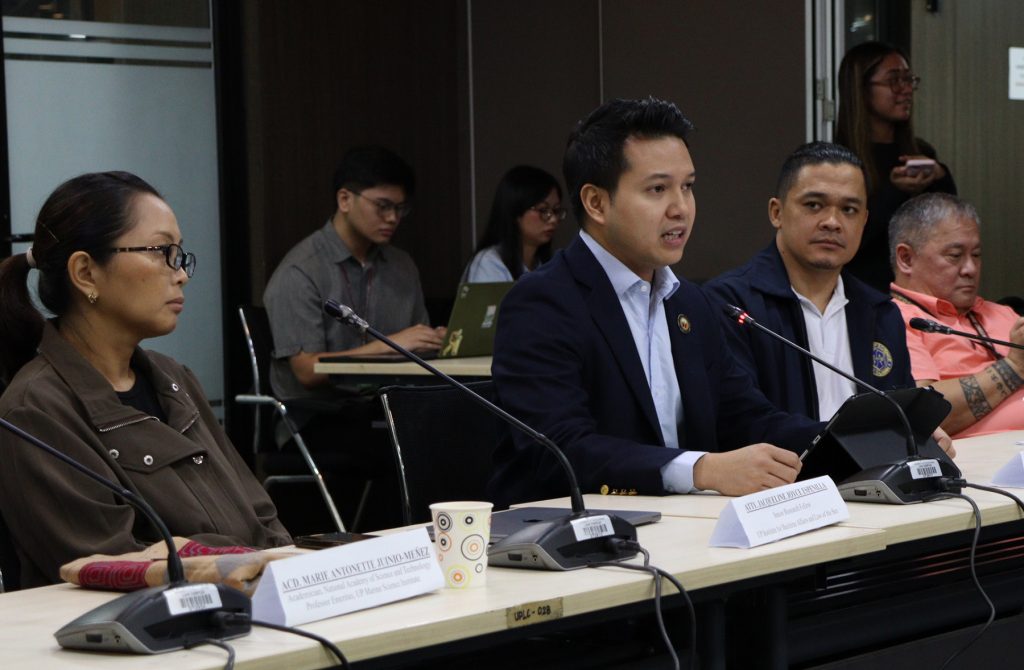
The program opened with remarks by Atty. Jacqueline Joyce F. Espenilla, Senior Research Fellow and Legal Officer at UP IMLOS.
Dr. Antonio P. Contreras, Professor 8 at the UP Los Baños School of Environmental Science and Management, shared insights on translating science into political solutions from a political scientist’s perspective. Complementing his perspective, Dr. Marie Antonette Juinio-Meñez, Academician at the National Academy of Science and Technology and Professor Emeritus at UP MSI, offered insights from a marine scientist’s perspective.
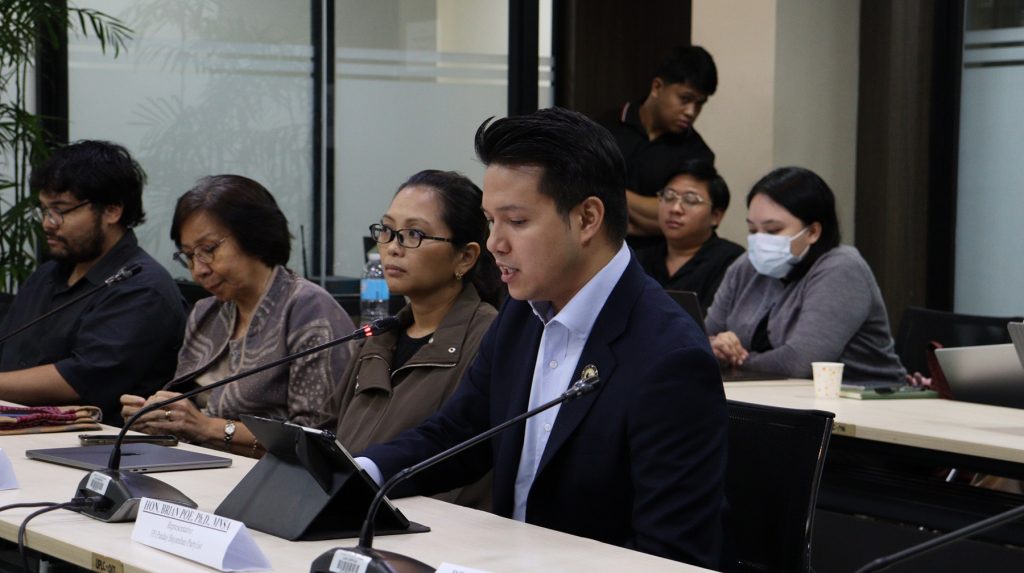
Rep. Brian Poe, PhD, MNSA, Representative of FPJ Panday Bayanihan Party-list, also provided the government’s perspective, citing the need for institutional cooperation to operationalize science diplomacy and integrate it into national planning and international engagement. “For the Philippines, science diplomacy is not an abstract concept. It is a national necessity,” Rep. Poe said. “Our goal should be concrete: more joint research, interoperable marine data, shared monitoring systems, stronger scientific exchanges, and permanent channels connecting researchers with diplomats and policymakers.”
As the primary author of the Philippine Science Diplomacy Mainstreaming Act, Rep. Poe highlighted the urgency of establishing a legal framework that institutionalizes science diplomacy as a whole-of-government policy across foreign policy and environmental governance, while prioritizing national interest. “Science gives us evidence. Diplomacy gives us a means to act on it. And together, they give countries a way to solve problems that no border, and no nation, can contain alone,” Rep. Poe stated.
During the open discussion, facilitated by Atty. Ana Lourdes Cosme, Legal Officer at UP IMLOS, participants discussed the importance of maritime governance, marine scientific research (MSR), and government support in strengthening the Philippines’ scientific capacity to respond to shared regional and global challenges.
To conclude, Dr. Deo Florence L. Onda, Science for Diplomacy in the Maritime Space Project Lead, synthesized the day’s key insights, highlighting the importance of strengthening advocacy networks and bringing together maritime governance experts and practitioners to build a common language of cooperation. He emphasized that science for diplomacy recognizes science as an instrument of national power and that identifying intersections between science and policy is crucial to creating a robust platform for sustained cooperation.
For updates on the project, follow the Microbial Oceanography Laboratory on Facebook or email microocelab@msi.upd.edu.ph. For questions or concerns, you may contact the project team directly through sciencediplomacysst@msi.upd.edu.ph.
