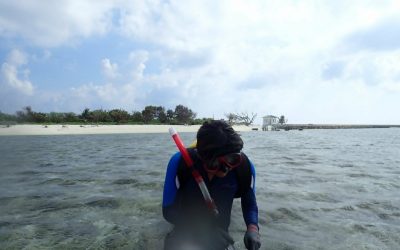
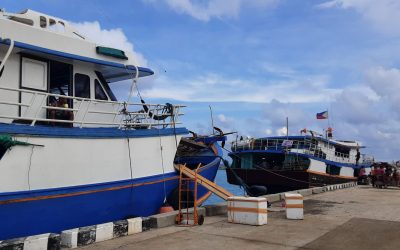
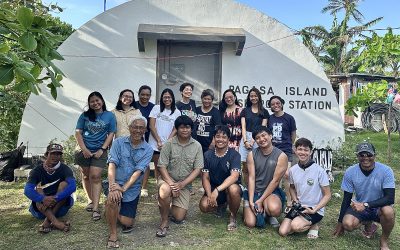
A speck of green and white in the West Philippine Sea, Pag-asa Island is only 37 hectares large surrounded by an extensive reef flat. It is the largest land feature of the Kalayaan Islands, the most remote municipality of the island-province of Palawan, and the only island in the region that sustains a civilian community. 

Scientists at the UP Marine Science Institute (UP MSI) have diligently pursued research in the Kalayaan Islands since the 1990s, often in the face of considerable odds. Researchers keep returning to Pag-asa (which means ‘hope’ in Filipino) whenever opportunities arise, inspired by life’s resilience on this remarkable island and its oceanographic and biological connections to the broader region.

This page showcases some of the marine biodiversity of Pag-asa Island, the timeline of research in the Kalayaan Islands, and the human stories behind the science. May this special feature inspire hope for the continued resilience of Pag-asa’s rich marine life, and action for the wise management and conservation of its natural resources.

TIMELINE OF UP MSI RESEARCH EXPEDITIONS TO PAG-ASA ISLAND

Through a long history of support and collaboration with international and government agencies, UP MSI has maintained a research presence in Pag-asa Island and the Kalayaan Island Group since the 1990s.

Start

1993

The First Step

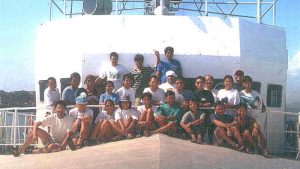
The first recorded research expedition by UP MSI to Pag-asa Island is accomplished through national and international collaboration efforts.

Conducted in partnership with UNESCO, Department of Science and Technology (DOST), and Bureau of Fisheries and Aquatic Resources (BFAR).

1997-1999

Early Explorations

Five more research expeditions in the region deepen scientific understanding and establish research continuity.

Conducted by UP-MSI and DOST Philippine Council for Aquatic and Marine Research and Development (DOST-PCAMRD), which later becomes DOST-PCAARRD

2000

A Permanent Research Presence

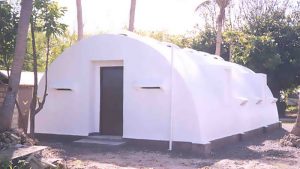
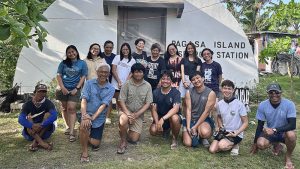
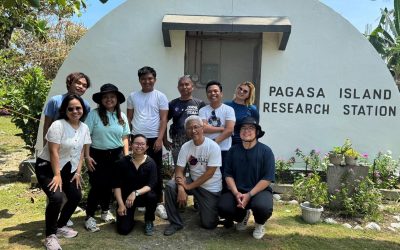
The Pag-asa Island Research Station (PIRS) is inaugurated, establishing UP MSI’s permanent research base in the West Philippine Sea.

Supported by DOST in cooperation with the Department of Foreign Affairs and the Philippine Navy through the Armed Forces of the Philippines.

2001–2016

Period of Scientific Hiatus

A gap in expeditions marks a pause in field research activities.

No major recorded expeditions.

2017

Reawakening Inter-Agency Collaboration

Maritime responsibilities and national cooperation reawaken scientific interest in the Kalayaan Island Group.

No available photo.
  • Collaborative research resumes via the Inter-agency Marine Scientific Research in the West Philippine Sea initiative.
  • Conducted in support of Philippines’s UNCLOS obligations, marine biodiversity protection, and navigation safety.
  • Covered key sites including Pag-asa Island, Patag Island, Lawak Island, Escoda Shoal, and Dalagang Bukid Shoal.
  • Activities included hydrographic mapping and coral reef assessments.
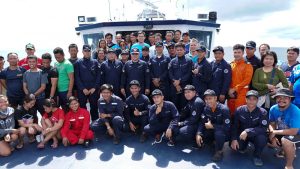
This initiative was led by UP MSI in collaboration with the National Mapping and Resource Information Authority (NAMRIA), the Department of Environment and Natural Resources – Biodiversity Management Bureau (DENR-BMB), and the Philippine Navy, aboard the BRP Gregorio Velasquez.

2019

Advancing Ecosystem Connectivity Research

A large-scale expedition focuses on ecological linkages and fisheries implications in the West Philippine Sea.

(Photo by Jue Lalas)
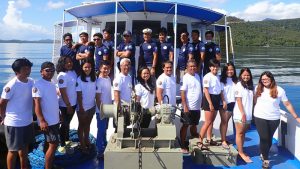
  • Major expedition (April–May) under the “Predicting Responses between Ocean Transport and Ecological Connectivity of Threatened Ecosystems in the West Philippine Sea (PROTECT-WPS)” project.
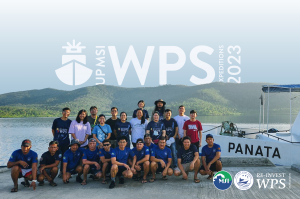
  • Led by UP MSI’s Dr. Deo Florence L. Onda aboard RV Kasarinlan (later renamed M/Y Panata), the first UP-owned research vessel, with 74 Filipino scientists and crew.
  • Focused on ecosystem connectivity across the West Philippine Sea and its implications for fisheries, particularly in Luzon and Palawan.
This expedition was part of the PROTECT-WPS Program in collaboration with DA-BFAR and DENR-BMB.

2021–2022

Strengthening National Marine Research Capacity

Positioning marine scientific research as a concern of national security enables sustained, multidisciplinary, and technology-driven research. UP’s fleet of research vessels grows.

  • Launch of the “Upgrading Capacity, Infrastructure, and Assets for Marine Scientific Research in the Philippines (UPGRADE-CIA)” Program, a national initiative to strengthen marine scientific research capabilities as part of national security concerns.
  • The program established the National Academic Research Fleet (NARFleet) and expanded access to research vessels and equipment across state universities, colleges, and higher education institutions, including University of the Philippines Visayas, Bicol University, and Mindanao State University – Iligan Institute of Technology.
  • Bigger and more frequent research expeditions to Pag-asa Island and the greater West Philippine Sea.
  • Rehabilitation and upgrading of the Pag-asa Island Research Station (PIRS) to support long-term, multidisciplinary research.
The UPGRADE-CIA Program was in collaboration with the Department of National Defense – National Security Council (DND-NSC), UP Institute of Environmental Science and Meteorology (UP IESM), UP Los Baños Institute of Biological Sciences (UPLB IBS) and School of Environmental Science and Management (UPLB SESAM), and Br. Alfred Shields FSC Ocean Research (SHORE) Center of De Lasalle University.

2023

Integrating Ecosystem Valuation and Ocean Monitoring

Biodiversity, biogeochemistry, and ocean monitoring become the foundation for ecosystem accounting and environmental management in the West Philippine Sea.

  • Implementation of the “Resource Inventory, Valuation, and Policy in Ecosystem Services under Threat (RE-INVEST): The Case of the West Philippine Sea (WPS)” 
  • Aimed to integrate natural resource valuation into national environmental accounting systems and develop a prototype framework for marine and coastal ecosystem accounting in the Philippines. 
  • Conducted aboard the M/Y Panata throughout April, focusing on multidisciplinary assessment of ecosystems in Pag-asa Island and nearby cays. 
  • Followed by the “Philippine Ocean Monitoring and Prediction System (POMPS)” expedition (October), also aboard the M/Y Panata, reinforcing long-term monitoring efforts. 
The RE-INVEST WPS Program was implemented through the support of the Department of Science and Technology – Philippine Council for Agriculture, Aquatic and Natural Resources Research and Development (DOST-PCAARRD). The POMPS expedition was in coordination with the Philippine Institute of Volcanology and Seismology, Department of Science and Technology (DOST-PHIVOLCS).

2025

Integrating Biodiversity Conservation and Blue Carbon Research

Research on marine biodiversity is integrated with carbon sequestration studies to strengthen ecosystem-based conservation and climate resilience strategies.

  • Implementation of the “Integrated Research for Biodiversity Conservation and Carbon Sequestration in the West Philippine Sea (BioConSeq-WPS) Program” 
  • Aimed to advance biodiversity conservation while quantifying the carbon sequestration potential of coastal ecosystems (blue carbon), particularly seagrass habitats.
  • Conducted through two expeditions (February and April), focusing on reef flat ecosystems in Pag-asa Island.
BioConSeq-WPS was implemented through the support of the Department of Environment and Natural Resources – Biodiversity Management Bureau (DENR-BMB).
[bold_timeline_item_button title=”Expand” style=”” shape=”” color=”” size=”inline” url=”#” el_class=”bold_timeline_group_button”]

Present

Aliño, P. M. & Quibilan, M. C. C. (eds.) (2003). The Kalayaan Islands: Our natural heritage. U.P. Marine Science Institute, University of the Philippines Diliman, Quezon City.


Juinio-Meñez, M. A., Magsino, R. M., Ravago-Gotanco, R., & Yu, E. T. (2003). Genetic structure of Linckia laevigata and Tridacna crocea populations in the Palawan shelf and shoal reefs. Marine Biology, 142(4), 717–726. https://doi.org/10.1007/s00227-002-0998-z


Quibilan, M., & Aliño, P. M. (2006). Coral community structure of western Philippine reefs I: Spatial patterns. In Proceedings of the 10th International Coral Reef Symposium (pp. 341-350).


Ong, J., Aguda, N., Jaraula, C., Mateo, Z., Pascua, C. S., & Foronda, J. (2007). Tidal effects on groundwater in a very small tropical island: A study on the groundwater resources of Pag-asa Island, Kalayaan Island Group. Science Diliman, 12(2). https://scispace.com/pdf/tidal-effects-on-groundwater-in-a-very-small-tropical-island-33puhn9f2l.pdf


Lalas, J. A. A., Lim, R. T. S., Cabasan, J. P., Segumalian, C. S., Luciano, R. M. A., Valino, D. A. M., Jacinto, M. R., Arceo, H. O., & Baria-Rodriguez, M. V. (2022). Spatial and short-Term temporal patterns of octocoral assemblages in the West Philippine Sea. Frontiers in Marine Science, 8. https://doi.org/10.3389/fmars.2021.782977


Yñiguez, A. T., Apego, G. C. M., Mendoza, N., Gomez, N. C., & Jacinto, G. S. (2022). Nearshore to offshore trends in plankton assemblage and stable isotopes in reefs of the West Philippine Sea. Frontiers in Marine Science, 8. https://doi.org/10.3389/fmars.2021.724504


Gomez, N. C. F., Cragg, S. M., Ghiglione, J., & Onda, D. F. L. (2023). Accumulation and exposure classifications of plastics in the different coastal habitats in the western Philippine archipelago. Environmental Pollution, 337, 122602. https://doi.org/10.1016/j.envpol.2023.122602


Janer, D. F., Gabuyo, M. R., Carrillo, A. D., Co, P. E., Del Rosario, A. L., Morata, M. J., Dayao, J., De Chavez, M., Bringas, D. A., Villanoy, C., & Siringan, F. (2023). Development of Pag-Asa Reefs, West Philippine Sea: role of relative sea level change and wave exposure. The Philippine Journal of Science, 152(1). https://philjournalsci.dost.gov.ph/wp-content/uploads/2025/07/development_of_Pag-asa_reefs_West_Phil_Sea_.pdf


Arceo, H. O., Velos, M. J. P., Nuñez, M. A. C., & Aliño, P. M. (2024). The West Philippine Sea: State of the coasts. U.P. Marine Science Institute, University of the Philippines Diliman, Quezon City.


Dagum, L. J., Estrada, V., Amihan, H., Penaflor, E., Hilomen, A., Corpuz, F. J., Bambic, B., Licuanan, W., Soriano, M., & David, L. (2024). West Philippine Sea Coral Reef Imagery Using ARRAS Technology. In OCEANS 2024-Halifax (pp. 1-5). IEEE.


Munar, J., Carrillo, A. D., David, L., & Siringan, F. (2025). Shoreline movements around small reef islands of the Kalayaan Island Group, West Philippine Sea. Estuarine Coastal and Shelf Science, 321, 109343. https://doi.org/10.1016/j.ecss.2025.109343


Pagaduan, J. R. R., Calpito, J. V. M., Del Sol, M. I. B. R., Ferrera, C. M., Villanoy, C. L., & Onda, D. F. L. (2025). Diversity and community structure of abundant microbial eukaryotic communities across nutrient regimes in the West Philippine Sea. Regional Studies in Marine Science, 86, 104175. https://doi.org/10.1016/j.rsma.2025.104175
LETTERS FROM PAG-ASA

Explore insights from the researchers studying Pag-asa Island and the Kalayaan Island Group.

The importance of seaweeds in Pag-asa Island and its environs

by Dr. Wilfred John E. Santiañez

Seaweeds are ecologically and economically important marine resources that have helped shape the culture and traditions of many coastal communities across the world.

A Study in Blue: Field Notes from the West Philippine Sea

by Lorenz Cajilig

They say happy accidents make the best paintings – and in this case, they did. Being part of an expedition was not part of my original plans for a thesis topic.

Still in the Philippines, Still at Home

by Dr. Gizelle A. Batomalaque

There is a theory in psychology that posits that people perceive objects (i.e., people, places, events) more abstractly when these objects are more distant from the person, whether it be physical, temporal, or social distance (see Keller et al., 2022).

UP MSI, Kalayaan LGU, partners lay groundwork for Pag-asa Island MPA in Roundtable Summit

by Leah Mahomoc

At the frontlines of the West Philippine Sea, where ecological importance intersects with national interest, stakeholders convened to chart a science-driven path toward conservation during the Roundtable Summit on Pag-asa Island Biodiversity and Marine Protected Area.

GALLERIES OF BIODIVERSITY

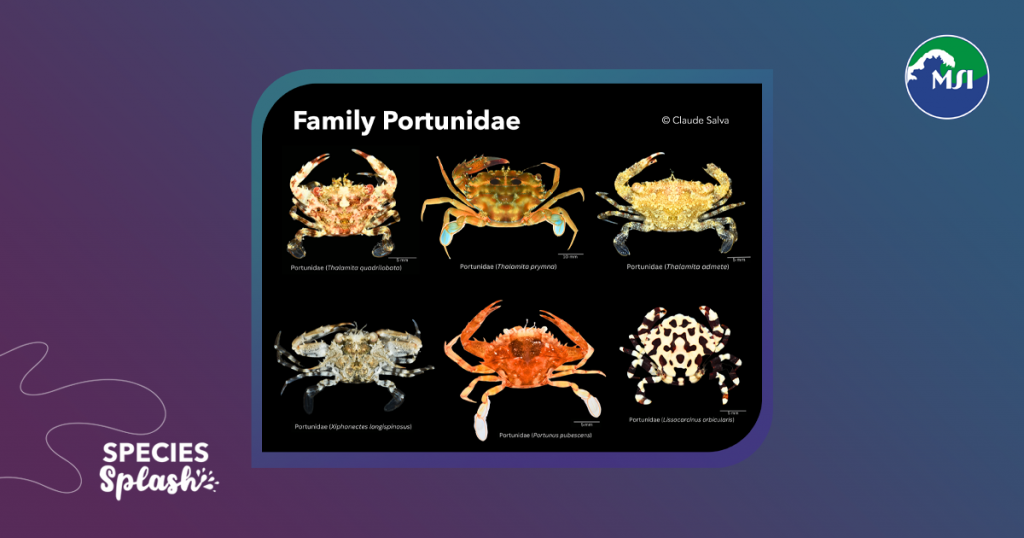
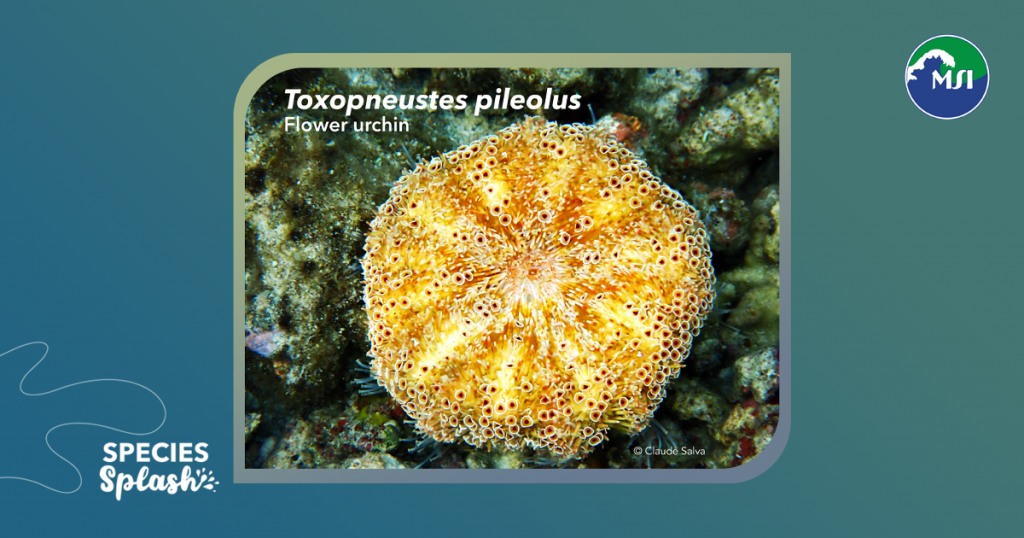
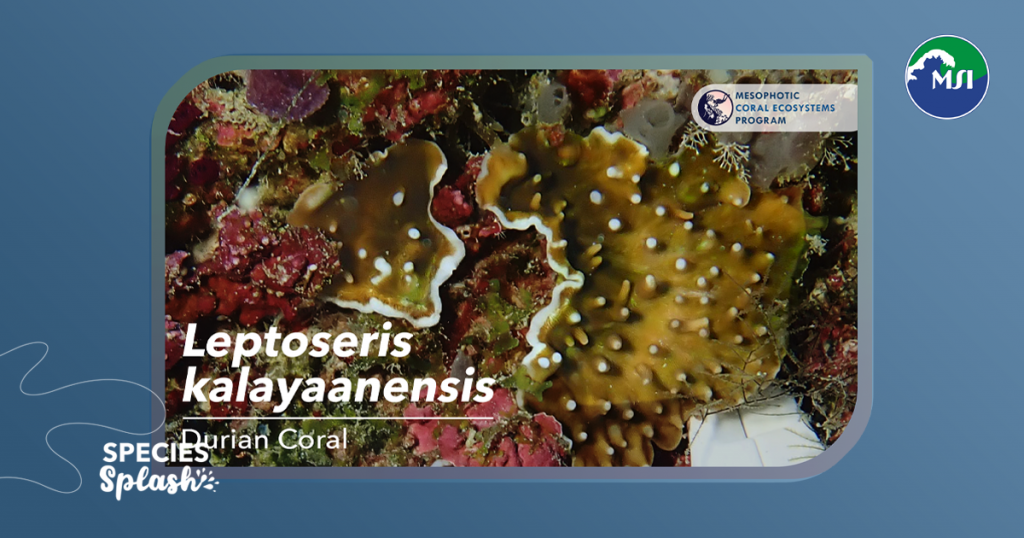
Invertebrates observed during research expeditions to the Kalayaan Island Group.

Except where otherwise noted, this photo gallery is licensed under Creative Commons Attribution-NonCommercial 4.0 International

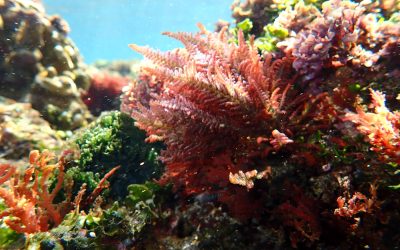
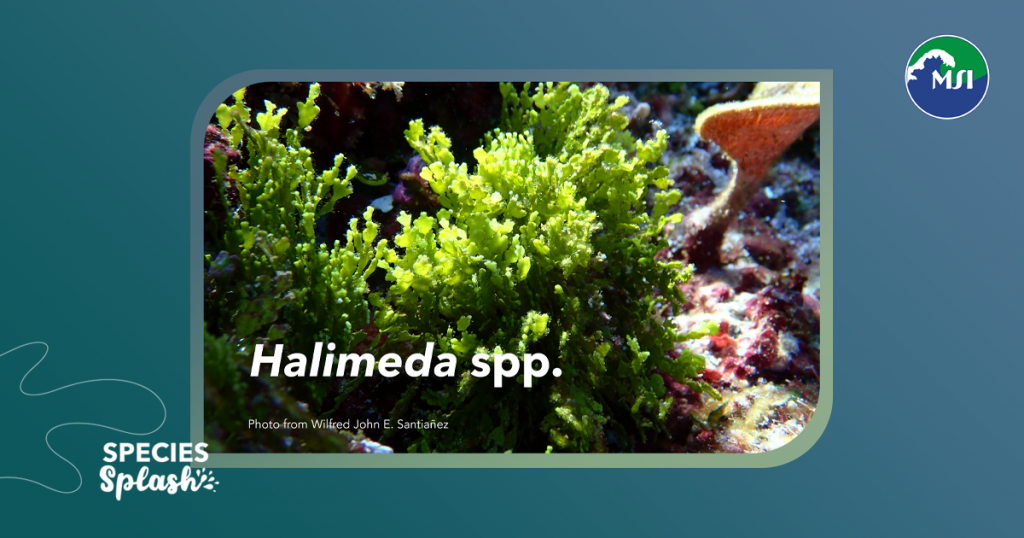
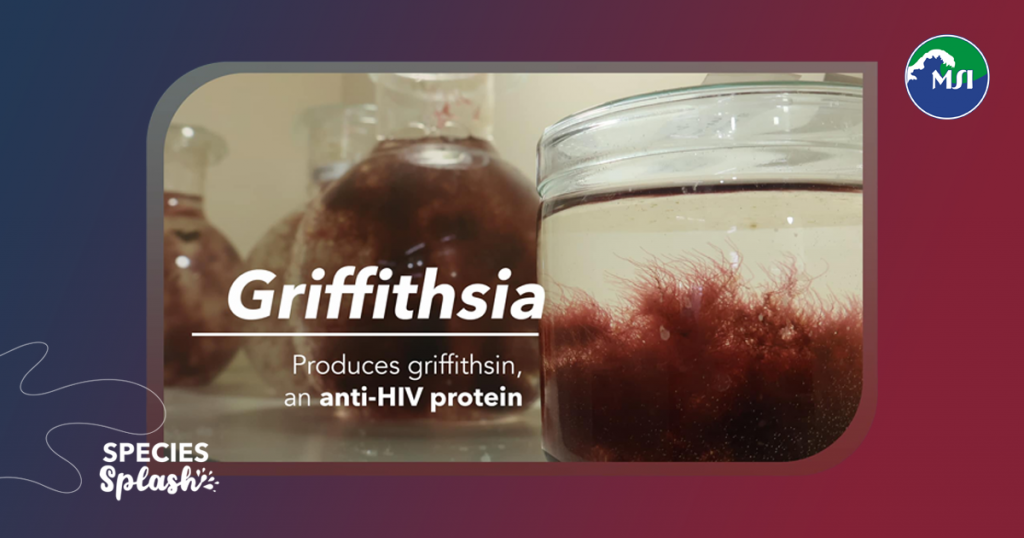
Seaweeds observed during research expeditions to the Kalayaan Island Group.

Except where otherwise noted, this photo gallery is licensed under Creative Commons Attribution-NonCommercial 4.0 International

TALES FROM THE SAILS

The latest news from MSI research expeditions to the West Philippine Sea.

WPS-Research-Tales-From-the-Sails-02v3

UP, DENR-BMB, and NAVMETOC conduct research at the West Philippine Sea

A team of 15 researchers and staff from UP MSI, UP Cebu, DENR-BMB, and NAVMETOC conducted a research expedition aboard the UP MSI research vessel M/Y Panata at Rizal Reef (Commodore Reef) and Dalagang Bukid Shoal (Northeast Investigator Shoal).
Biodiversity Research Continues in Pag-asa Island, West Philippine Sea

A team of 10 researchers from the UP Marine Science Institute and DENR-Biodiversity Management Bureau (DENR-BMB) recently returned from a field survey on Pag-asa Island in the Kalayaan Island Group, West Philippine Sea, conducted from April 25 to May 3, 2025.

UP researchers conduct field survey in Pag-asa Island through DENR-BMB funded project

A team of 15 researchers and staff from UP Marine Science Institute, UP Los Baños School of Environmental Science and Management (UPLB SESAM), and the Department of Environment and Natural Resources – Biodiversity Management Bureau (DENR-BMB) conducted a field survey in Pag-asa Island, Kalayaan Island Group in the West Philippine Sea last February 17-27, 2025.

PARTNERS

Our partners, old and new, who make research into the West Philippine Sea possible.